
Climate crisis
Democracies are trying to reduce emissions and fight crisis. Media helps understand the science better and reach out to effected communities. Climate crisis is a global threat.
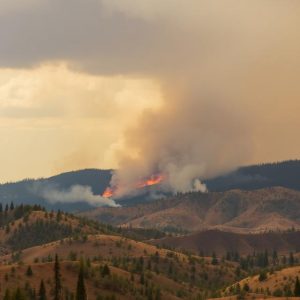
Heatwaves, floods and wildfires pose rising threat to democracy, report finds
A new report by the International Institute for Democracy and Electoral Assistance reveals that the climate crisis is increasingly threatening democratic processes worldwide. Natural hazards
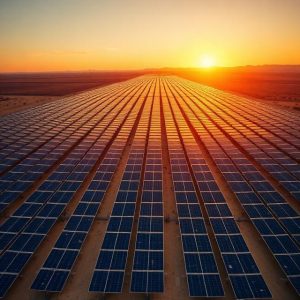
Clean electricity meets all new demand, curbing fossil fuels, says Ember
A new report by the energy think tank Ember highlights that the growth in clean energy successfully met all new global electricity demand last year.

As energy costs rise, some states back off ambitious climate goals
New York Governor Kathy Hochul is seeking to delay the state’s ambitious greenhouse gas emission reduction goals due to rising energy costs. Originally set in
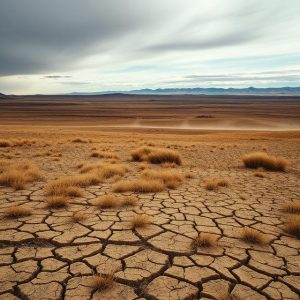
The Silent Demise: Mongolia’s Fight to Save the Steppe
Mongolia’s iconic rangelands, which support half of the country’s population through livestock pastoralism, are facing severe desertification. Research shows that nearly 80% of Mongolia’s land

India walked away from its bid to host COP33 — here’s why
India withdrew its bid to host the COP33 climate summit, citing diminishing returns from international climate negotiations. Experts highlight weakening global consensus, insufficient climate finance
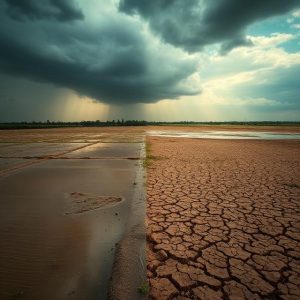
Whiplash weather: Europe hit with second-warmest March on record after ‘exceptionally wet’ February
Europe experienced its second-warmest March on record following an exceptionally wet February that caused widespread flooding in the Mediterranean. Average temperatures were significantly above historical
Earlier posts:
A ‘super El Niño?’: Inside the weather phenomenon that could send temperatures soaring
Climate scientists are monitoring an increasing 62% chance of an El Niño forming in 2026, supported by high subsurface ocean heat and weakening trade winds. While some media outlets warn of a “Super El Niño,” experts clarify that “super” is not an official scientific term and usually refers to a “strong” event, which currently has a one-in-three chance of occurring. El Niño events are predicted to raise global temperatures by 0.1°C to 0.2°C. Researchers at Columbia University suggest that while a “strong” event so soon after the 2023-2024 cycle would be surprising, global warming may be accelerating the “recharge” of ocean heat. Ultimately, experts emphasize that the overall acceleration of ocean surface warming is a more critical concern than the specific frequency of these irregular climate patterns.
Date: March 31, 2026. Source: euronews.com
India: When floods come, survival is a roll of the dice
In India’s Assam and Bihar regions, intensifying climate-driven floods and riverbank erosion are causing repeated displacement for the most marginalized communities. Beyond losing homes and livelihoods, Muslim families in Assam face the unique threat of losing vital citizenship documents in the water, which often leads to legal battles or detention. While wealthier residents have the resources to relocate, the poor remain trapped in dangerous floodplains, often receiving only temporary relief that fails to address long-term stability.
Date: March 27, 2026. Source: dw.com
US has caused $10tn worth of climate damage since 1990, research finds
New research published in the journal Nature reveals that the United States has caused an estimated $10 trillion in global economic damage since 1990 due to its massive greenhouse gas emissions. As the world’s largest historical carbon emitter, the U.S. is responsible for more harm to global economic growth than any other nation, even surpassing the $9 trillion in damages attributed to China. While roughly a quarter of this economic pain has been felt domestically, the study highlights that the burden has fallen disproportionately on poorer countries, such as India, which suffered approximately $500 billion in losses. The research specifically tracks how human-caused global heating has constrained GDP through extreme heatwaves, floods, and agricultural failures. These findings are expected to intensify calls from developing nations for wealthy countries to provide significant financial compensation for the “loss and damage” caused by the climate crisis.
Date: March 25, 2026. Source: theguardian.com
The ferocity of the downpour that brought the latest Hawaii flooding surprised even meteorologists
Gemini sa
Following a series of “Kona low” storms, Hawaii recently experienced its most severe flooding in two decades after a “rain bomb” triggered massive flash floods in Honolulu. The sudden downpour swept away vehicles and damaged hundreds of homes, forcing more than 230 emergency rescues, though fortunately no fatalities have been reported. Governor Josh Green has requested a federal disaster declaration, estimating that total damages to infrastructure, schools, and residential property could exceed $1 billion. Meteorologists highlighted the unpredictable nature of the event, where localized rain reached six inches in some valleys while nearby areas remained virtually dry. Experts point to human-caused global warming as a primary factor behind the increasing intensity and frequency of such extreme weather patterns across the islands.
Date: March 25, 2026. Source: apnews.com
UN Confirms Hottest Decade on Record, Says Ea
The UN’s World Meteorological Organization has officially confirmed that the period from 2015 to 2025 was the hottest decade ever recorded. UN Secretary-General António Guterres warned that the planet is being “pushed beyond its limits,” with every major climate indicator currently flashing a red alert. The report highlights that ocean temperatures have reached unprecedented levels, with nearly 90% of the global ocean experiencing at least one heatwave in the past year. This sustained heat has triggered mass loss in glaciers and polar ice sheets, further destabilizing global sea levels and marine ecosystems. In response to these record-breaking extremes, the UN Secretary-General is calling for action.
Date: March 24, 2026. Source: earth.org
Earth trapped record amount of heat in 2025, UN report says
A new UN report confirms that 2025 was the hottest year on record, with the Earth trapping an unprecedented amount of solar energy due to greenhouse gas emissions. This energy imbalance has led to record-breaking ocean temperatures and a dangerous acceleration in the melting of glaciers and polar ice sheets. The report emphasizes that the “greenhouse effect” is intensifying, as the planet is currently retaining more heat than it can radiate back into space. Scientists warn that ocean warming will continue to fuel extreme weather events, such as storms and seaa-ice loss. The UN Secretary-General described these findings as a clear indication that the planet is being pushed beyond its limits.
Date: March 23, 2026. Source: lemonde.fr
How the Iran energy panic supercharged Europe’s climate debate
EU leaders clash over whether to gut the Emissions Trading System (ETS) or double down on it to escape fossil fuel dependence. Skeptics like Italy’s Giorgia Meloni are calling for an urgent suspension of carbon pricing to lower skyrocketing bills, while defenders argue that abandoning the climate tool now would be “purely populistic” and counterproductive. Amidst the fray, Commission President Ursula von der Leyen is reminding member states that the ETS accounts for only 11% of the average energy bill, whereas the volatile cost of fossil fuels themselves does the real damage at 56%.
Date: March 13, 2026. Source: politico.eu
At least 64 killed, dozens reported missing in Ethiopia landslides, floods
At least 64 people have died and 128 remain missing following devastating landslides and flooding in Ethiopia’s Gamo Zone, triggered by relentless torrential rains. Local officials report that most victims were buried in mud, prompting urgent calls for residents in highland and flood-prone areas to evacuate to higher ground. This disaster follows a pattern of increasingly extreme weather in East Africa, including torrential rain in Kenya that killed dozens. Scientists warn that human-driven climate change is significantly increasing the frequency and severity of these lethal downpours across the continent.
Date: March 12, 2026. Source: aljazeera.com
Arctic sea ice among lowest on record: AFP review of US data
The Arctic sea ice extent reached a near-record low of 14.22 million square kilometers on March 10, 2026, potentially ranking among the five smallest covers in four decades. Experts warn that the Arctic is warming up three to four times faster than the global average, threatening ecosystems and pushing the planet toward irreversible tipping points. While melting sea ice does not directly raise sea levels, its loss accelerates global warming by replacing reflective ice with heat-absorbing dark ocean water. Beyond environmental concerns, the receding ice is creating a “new Mediterranean,” sparking geopolitical competition over emerging shipping routes and mineral resources among world powers.
Date: March 11, 2026. Source: france24.com
How protecting nature could make the world safer
Nature loss is now recognized as a critical national security threat, as the collapse of vital ecosystems can trigger mass displacement, global food scarcity, and intense geopolitical conflict. The UK’s DEFRA highlights that biodiversity decline creates direct risks to political stability, particularly for nations reliant on food imports that are vulnerable to supply shocks. To mitigate these threats, debt-for-nature swaps have emerged as a strategic financial tool, allowing developing countries to restructure debt in exchange for binding conservation commitments.
Date: March 6, 2026. Source: dw.com
Humanity heating planet faster than ever before, study finds
A new study reveals that global heating is accelerating at an unprecedented rate, nearly doubling from 0.2°C per decade between 1970 and 2015 to approximately 0.35°C over the last ten years. By filtering out natural “noise” like El Niño and solar cycles, researchers confirmed that this human-driven surge emerged around 2013, significantly narrowing the window to meet Paris Agreement targets. If this trajectory continues, the long-term 1.5°C warming threshold could be permanently breached by 2029. Scientists warn that such rapid warming increases the risk of “tipping points” and extreme weather, further exacerbated by a recent decrease in cooling sulfur pollutants. Ultimately, the future rate of warming depends entirely on how quickly humanity can reduce fossil fuel emissions to zero.
Date: March 6, 2026. Source: theguardian.com
Brazil flooding death toll rises to 64 as search efforts continue
The death toll from severe landslides and flooding in eastern Brazil has risen to 64, with the state of Minas Gerais, specifically the cities of Juiz de Fora and Ubá, suffering the heaviest impact. Over 5,500 people have been displaced, while meteorologists warn of “great danger” from continued inclement weather and river overflows in neighboring states. President Luiz Inácio Lula da Silva is visiting the affected regions, as the federal government authorizes 3.4 million reais for reconstruction efforts and humanitarian assistance. This tragedy highlights a chronic vulnerability, with a significant portion of the local population living in high-risk zones prone to natural disasters.
Date: February 27, 2026. Source: aljazeera.com
Can EU renewables outmuscle US oil and gas?
US Energy Secretary Chris Wright has called on the International Energy Agency to pivot back to fossil fuels, labeling the transition to clean energy a “destructive illusion.” Representing the Trump administration, Wright threatened a US withdrawal from the IEA if it does not abandon its climate goals, arguing that “climate alarmism” has stifled economic prosperity in Europe and the US. However, data from nations like Spain counter this claim, noting that renewables have significantly lowered electricity costs and reduced dependence on volatile foreign gas. Critics suggest Wright’s stance is a strategic move to ensure global dependence on US fossil fuel exports under a policy of “American Energy Dominance.” Despite the US push for fossil fuels, analysts maintain that electrification remains the most efficient path to long-term industrial competitiveness.
Date: February 26, 2026. Source: dw.com
Rescuers search for missing after deluge kills at least 30 in Brazil
Record-breaking torrential rains in the Brazilian state of Minas Gerais have caused devastating landslides and flooding, leaving at least 30 people dead and 39 missing. In the city of Juiz de Fora, a “massive landslide” swept away 12 houses overnight, leading Mayor Margarida Salomão to declare a state of emergency during the wettest February on record. Rescue teams and sniffer dogs search the debris for survivors, while President Luiz Inácio Lula da Silva has stated on X that the priority is humanitarian aid and reconstruction. Approximately 3,000 residents have been displaced as several neighborhoods remain isolated by at least 20 different landslide events. Experts highlight that these increasingly frequent extreme weather tragedies in Brazil are linked to climate crisis.
Date: February 25, 2026. Source: lemonde.fr
Germany accused of ditching climate targets as it scraps renewables mandate
Germany’s coalition government, led by Chancellor Friedrich Merz, has amended a key heating law to scrap mandates that previously required new systems to use 65% renewable energy. The new legislation allows homeowners to continue using oil and gas and restorung freedom of choice while moving away from the Green party’s more ambitious 2023 targets. While the government argues that a gradual increase in biogas will still meet the goal of cutting emissions, the opposition Greens have denounced the move as a total abandonment of climate protection. Despite the change, subsidies for modern heating systems will remain in place through 2029 to assist with the ongoing transition.
Date: February 25, 2026. Source: theguardian.com
Supreme Court agrees to hear from oil and gas companies trying to block climate change lawsuits
The U.S. Supreme Court has agreed to hear a challenge from oil giants, including ExxonMobil and Suncor Energy, aiming to block climate change lawsuits filed by local governments. The case stems from a Boulder, Colorado, suit alleging that fossil fuel companies deceived the public about environmental risks, leading to billions in damages from wildfires and rising sea levels. The companies argue that climate policy is a federal matter and state-level litigation threatens a critical economic sector. The Trump administration has backed the industry, warning that allowing such suits could expose anyone in the world to similar litigation.
Date: February 23, 2026. Source: apnews.com
Baltic Sea ‘struggling with recovery’ and it’s not just because of climate change
Decades of human activity have turned the Baltic Sea into one of the world’s largest “dead zones,” where a “deadly trifecta” of nutrient pollution and climate change makes recovery difficult. A new report from the Leibniz Institute for Baltic Sea Research Warnemünde (IOW) highlights that despite significant reductions in nitrogen and phosphorus runoff since the 1980s, surface water quality has not improved significantly. This lack of progress is largely due to “nutrient debt,” where legacy phosphorus is re-released from oxygen-depleted sediments, fueling a self-sustaining cycle of toxic algae blooms. Climate change further complicates the situation, as warming waters hold less oxygen and the likelihood of dead zones increases. To reverse this trend, scientists are calling for nature-based solutions, such as restoring seagrass beds and mussel reefs, alongside more long-term observation and modern measuring sysytems.
Date: February 23, 2026. Source: euronews.com
Under water, in denial: is Europe drowning out the climate crisis?
Western Europe is currently grappling with a “new reality” of back-to-back storms and unprecedented soil saturation, which scientists warn is a direct consequence of global heating amplifying rain intensity. Despite the clear effects of climate change, denial persists, with far-right parties and some political leaders pushing back against climate policies. . This retreat from climate action is being encouraged by the U.S. administration, which has pressured global agencies like the IEA to remove climate scenarios from their energy models. The consequences of this inaction are stark, as seen in the deadly floods in Valencia, where delayed warnings resulted in 229 deaths.
Date: February 21, 2026. Source: theguardian.com
Wildfire-friendly weather nearly triples: Will outbreaks leave countries scrambling for resources?
A new study reveals that the annual number of “synchronous fire weather days”, characterized by hot, dry, and windy conditions, has nearly tripled globally over the past 45 years. While the world averaged 22 such days annually starting in 1979, that figure surged to over 60 days per year in 2023 and 2024, significantly increasing the likelihood of uncontrollable wildfire outbreaks. Researchers attribute more than 60 percent of this trend to human-caused climate change, noting that South America has seen the most dramatic spike, with fire weather days jumping from roughly 5 to over 70 per year.
Date: February 19, 2026. Source: euronews.com
Europe swaps climate rhetoric for energy security talk to defuse MAGA backlash
European officials at International Energy Agency (IEA) ministerial meeting have shifted their rhetoric, rebranding the green transition as a matter of “energy security” to avoid conflict with the anti-climate stance of the United States. This tactical pivot follows threats from U.S. Energy Secretary Chris Wright to withdraw funding and membership if the IEA continued its “climate advocacy,” leading the agency to almost entirely excise the term “climate change” from its latest communications. While countries like France and the U.K. are seeking “common ground” through shared interests in nuclear power and LNG, most ministers now emphasize the economic and sovereignty benefits of renewables rather than their ecological necessity. Despite this change in tone, European leaders maintain that investing in renewables remains essential for reducing dependence on Russian energy, even as some Eastern European states are still reliant on fossil fuels and express that the net-zero targets are impractical.
Date: February 19, 2026. Source: politico.eu
France maintains red flood alert as Storm Pedro hits southwest
Météo-France has issued red alerts for four departments in southwestern France as Storm Pedro brings heavy rain and 140 km/h winds to ground already saturated by a record-breaking 35 consecutive days of rainfall. The extreme soil moisture has caused rivers like the Garonne and Maine to reach 25-year highs. Thousands of homes are currently without power or clean drinking water, while rail services remain severely disrupted. Authorities have been forced to deliberately flood certain roads to alleviate pressure on waterways.
Date: February 19, 2026. Source: euronews.com
US energy chief urges IEA to ‘drop the climate’
US Energy Secretary Chris Wright urged the International Energy Agency (IEA) to abandon its climate change focus and return to its original mandate of ensuring global energy security. Wright characterized the agency’s current climate work as “political stuff” and warned that the U.S. might withdraw from the organization if reforms are not made. In contrast, IEA Executive Director Fatih Birol defended the agency as a non-political, data-driven body, while British officials reaffirmed their support for the IEA’s clean energy programs.
Date: February 18, 2026. Source: lemonde.fr
Ozone pollution kills 75,000 Europeans a year, and costs €80bn. So why is methane being ignored?
Ground-level ozone pollution caused an estimated 75,000 premature deaths in the European Union in 2022 and €80 billion in economic damage, severely impacting Mediterranean countries and reducing agricultural yields. Despite these severe health and financial impacts, methane, a primary precursor to ozone, remains largely ignored in current European Union air quality regulations. Experts are calling for more integrated climate and air quality policies to address methane emissions as a critical political choice to protect public health, farming livelihoods, and environmental resilience simultaneously.
Date: February 16, 2026. Source: euobserver.com
National security plans must adapt to avoid ‘new world disorder’, says UN climate chief
UN Climate Chief Simon Stiell warned that national security strategies that ignore the climate crisis are “dangerously narrow” and risk creating a “new world disorder.” At the same time, a draft agenda for the upcoming COP31 climate conference has come under criticism for omitting fossil fuels and focusing on issues like waste management and tourism. The draft agenda, which reflects Turkish priorities, has drawn backlash for neglecting the phaseout of fossil fuels, despite its central importance to climate discussions. Speaking ahead of the Cop31 summit, Stiell highlighted how climate-driven extreme weather is actively fueling famine, mass displacement, and conflict worldwide. He urged to rewrite the draft agenda and ensure the energy transition is addressed, highlighting the urgency of tackling fossil fuel dependence.
Date: February 12, 2026. Source: theguardian.com
‘One of the most damaging decisions in modern history’: Trump EPA to repeal key climate finding
The Trump administration’s Environmental Protection Agency (EPA) has officially moved to repeal the “endangerment finding,” a landmark scientific determination that identifies greenhouse gases as a threat to public health. The move, EPA Administrator Lee Zeldin called the largest deregulatory action in U.S. history, is expected to save $1.3 trillion in reduced regulations, particularly in the automotive sector. Environmental groups condemned the action as the most significant attack on U.S. climate policy, arguing it ignores the growing evidence of climate-related disasters.
Date: February 11, 2026. Source: euronews.com
Von der Leyen and Merz clash over future of EU’s core climate law
Ursula von der Leyen defended the European Union’s Emissions Trading System (ETS), rejecting industry calls to weaken or eliminate the carbon market, which aims to reduce CO2 emissions through a pricing mechanism. At an event in Antwerp, leaders from Germany and France raised concerns about the impact of high carbon prices on industry competitiveness, while CEOs demanded deregulation to lower costs. Von der Leyen countered that the ETS has successfully reduced emissions while fostering economic growth and argued that only reducing fossil fuel use could lower energy prices. Despite growing pressure, she emphasized the need for continued reform of the system, focusing on better redistribution of carbon pricing revenues to support industrial decarbonization.
Date: February 11, 2026. Source: politico.eu
Devastating wildfires in Argentina and Chile made three times more likely by climate change
Scientists say human-caused climate change made the extreme hot, dry and windy weather that fuelled devastating wildfires in Chile and Argentinas’s Patagonia region up to three times more likely, intensifying the risk of widespread burning. Large blazes in central and southern Chile killed 23 people, destroyed over 1,000 homes and forced tens of thousands to flee, while fires in southern Argentina scorched tens of thousands of hectares of native forest, including parts of Los Alerces National Park. Experts warn that unless global emissions are drastically reduced, such catastrophic weather events will become increasingly frequent.
Date: February 11, 2026. Source: euronews.com
Point of no return: a hellish ‘hothouse Earth’ getting closer, scientists say
Scientists warn that the world is moving dangerously close to irreversible climate tipping points that could lock the planet into a “hothouse Earth” state. Continued global heating threatens to destabilize critical natural systems, such as the Amazon rainforest and polar ice sheets, causing cascading feedback loops. This scenario would lead to conditions far worse than the anticipated 2-3°C temperature rise, fundamentally altering the stable climate that allowed human civilization to thrive. This “hothouse Earth” scenario threatens to accelerate global heating far beyond human control, even if all greenhouse gas emissions were to stop immediately. Researchers are urging immediate action, noting that current global commitments are insufficient to mitigate these existential risks.
Date: February 11, 2026. Source: theguardian.com
More than two million people face hunger as drought grips Kenya
Severe drought has left over two million Kenyans facing hunger, with northeastern cattle-raising communities suffering the most, as climate change exacerbates water shortages and livestock deaths. The ongoing drought, worsened by shortened rainy seasons, mirrors the 2020–2023 crisis, where millions of animals died across Kenya, Ethiopia, and Somalia, and a potential famine in Somalia was narrowly averted. The Horn of Africa has endured four consecutive failed wet seasons, with eastern Kenya experiencing its driest period since 1981, contributing to widespread malnutrition and water scarcity. Experts attribute the worsening conditions to climate change, with damaging crops and pastures. Africa, despite contributing minimal global emissions, remains highly vulnerable to extreme weather events.
Date: February 10, 2026. Source: aljazeera.com
Spain, Portugal brace for fresh storm after deadly flood
Spain and Portugal are bracing for another storm system just days after heavy rains and flooding from Storm Leonardo caused deaths, evacuations and widespread disruption across the Iberian Peninsula. The region has already endured a string of intense storms this year that have flooded homes, forced thousands to flee and damaged infrastructure, with meteorological services warning of continued torrential rain and flood risks. Authorities have issued alerts and urged residents to prepare for further extreme weather and rising waters. The relentless sequence of weather events highlights ongoing challenges for emergency responses in both countries. This extreme weather event underscores growing concerns over the increasing frequency and intensity of climate-driven disasters in Spain and Portugal.
Date: February 7, 2026. Source: euractiv.com
The world has pledged to triple climate financing for poorer countries. Is the UK about to U-turn?
Nearly 200 nations agreed at the UN climate summit to vastly increase climate finance for poorer countries, with a target to triple annual support to around $300 billion by 2035 as part of global commitments made at COP29. However, reports suggest the UK government may reduce its own climate finance contributions from roughly £11.6 billion over the last five years to about £9 billion over the next five, prompting criticism that the move could undermine international trust and hamper adaptation efforts. The UK says it is “modernising” its approach to climate finance to maximise impact, though it has not confirmed the alleged cuts. Critics warn that reducing funding now could damage food security and the UK’s standing with vulnerable nations, whose climate resilience depends heavily on promised support.
Date: February 7, 2026. Source: euronews.com
EU official announces 300-strong firefighting force to battle wildfires across Europe
European Union officials announced the creation of a specialized firefighting task force to address the increasing threat of wildfires intensified by climate change. This initiative aims to provide the European Union with better tools as summer conditions across the continent become “hotter, harsher, and more dangerous.” Recent data indicates that climate change has made extreme heat and dry periods, which prime vegetation to burn, thirteen times more likely than in the pre-industrial era. Following a devastating 2025 wildfire season that killed dozens and scorched over a million hectares, the EU is prioritizing collective scientific and physical resources to combat these recurring environmental crises.
Date: February 6, 2026. Source: apnews.com
What Trump’s plans for the Arctic mean for the global climate crisis
The Trump administration has moved to open the Arctic National Wildlife Refuge to oil and gas drilling. Environmental advocates warn this could devastate fragile ecosystems, threaten wildlife like polar bears and migratory birds, and harm Indigenous communities such as the Iñupiat and Gwichʼin. The administration has also rolled back climate protections, boosted mining and drilling projects across Alaska, and reduced Arctic climate research funding. Scientists caution that accelerating fossil fuel development in a region warming four times faster than the global average could intensify ice melt and worsen the global climate crisis.
Date: February 6, 2026. Source: theguardian.com
Study ties particle pollution from wildfire smoke to 24,100 US deaths per year
A new study found that long-term exposure to fine particulate pollution (PM2.5) from wildfire smoke is linked to about 24,100 deaths per year in the United States, showing a major health impact beyond direct fire fatalities. The tiny particles in wildfire smoke can penetrate deep into the lungs and bloodstream, worsening respiratory and cardiovascular diseases and increasing mortality. Researchers say that climate change, forest mismanagement and expanded development in fire-prone areas are contributing to more frequent and severe wildfires that worsen air quality. The findings highlight the growing danger that wildfire smoke poses as a public health issue linked to global warming.
Date: February 4, 2026. Source: apnews.com
Confronting a catastrophic water crisis as millions forced to return to Afghanistan
Afghanistan is facing a worsening water crisis as millions of returnees strain already scarce resources, with climate change and prolonged drought compounding the problem and essential aid sharply reduced. The collapse of foreign assistance and cuts to humanitarian funding have left the country ill-equipped to manage water shortages or support vulnerable communities. Experts warn that without significant international support and better water management, the crisis could deepen, affecting agriculture, health and overall stability. The Taliban’s handling of the situation and limited engagement with global partners have hindered effective responses.
Date: February 1, 2026. Source: independent.co.uk
‘Homes may have to be abandoned’: how climate crisis has reshaped Britain’s flood risk
The climate crisis has dramatically increased flood risk across Britain, with storms like Storm Chandra causing intense rainfall and flooding far faster than in the past. Scientists say winter rain patterns now match those once predicted for the 2040s, overwhelming outdated infrastructure and leaving communities vulnerable. Underfunded defenses and slow adaptation mean some areas could face repeated flooding and even potential abandonment in coming decades. The piece highlights the urgent need for both engineered and nature-based solutions to cope with escalating climate-driven water threats.
Date: January 31, 2026. Source: theguardian.com
Climate change worsened rains and floods which killed dozens in southern Africa, study shows
A new study found that human-caused climate change intensified recent torrential rains and flooding in southern Africa that have killed dozens and displaced hundreds of thousands of people. Researchers say the extreme downpours were significantly worse than they would have been without global warming, overwhelming infrastructure and affecting over a million people. The floods hit hard in countries like Mozambique and South Africa, submerging towns, farmland and roads and compounding broader climate vulnerabilities. Scientists warn that Africa, despite contributing little to global emissions, faces disproportionate impacts and needs more tailored climate models and support
Date: January 29, 2026. Source: apnews.com
Number of people living in extreme heat to double by 2050 if 2C rise occurs, study finds
A new study published in Nature Sustainability warns that if global temperatures rise by 2C, the number of people facing extreme heat will jump from 1.5 billion to nearly 3.8 billion by 2050. Researchers found that while tropical regions will be worst affected, northern countries are ill-prepared for the shift, with cooling demands expected to skyrocket. The findings emphasize the urgent need for adaptation measures in healthcare and infrastructure to handle unprecedented temperature extremes.
Date: January 26, 2026. Source: theguardian.com
Waterlogged Jakarta fights for survival
Jakarta is sinking faster than any other major city, with some areas dropping over 20 centimeters due to groundwater overextraction and rising sea levels. The climate crisis has intensified rainfall patterns, leading to more frequent and severe flooding that threatens the livelihoods of thousands, particularly in coastal communities like Muara Angke. While authorities have constructed sea walls, experts warn that land subsidence remains a critical, unresolved threat to the city’s future.
Date: January 27, 2026. Source: swissinfo.ch
The world is in water bankruptcy
A new report by UN scientists warns that the world has moved beyond a “water crisis” into an era of “global water bankruptcy,” where critical systems have suffered irreversible damage. Approximately 4 billion people now live with severe water scarcity for at least one month a year. Experts are calling for a fundamental reset of global water management, shifting from reactive emergency responses to a “bankruptcy management” model that prioritizes the protection of remaining natural water capital.
Date: January 22, 2026. Source: washingtonpost.com
Indonesia resumes search for about 80 missing after landslide kills 10
Indonesian rescuers have resumed the search for approximately 80 people missing after a massive landslide triggered by heavy rain hit a residential area in West Java’s West Bandung. The death toll from the disaster has risen to 10 as of Sunday, with rescue efforts previously suspended overnight due to harsh weather and unstable terrain. Emergency teams, supported by the military and volunteers, are using drones, canine units, and manual excavation to locate victims. This event follows a series of deadly floods and landslides across the archipelago, which experts have partially attributed to the impact of forest loss and intense monsoon rains.
Date: January 25, 2026. Source: aljazeera.com
Two-thirds of the US is facing drought in the middle of winter. Here’s why scientists are worried
An unusual winter drought has gripped two-thirds of the United States, affecting every state except California and alarming scientists. Conditions usually characterized by heavy precipitation are instead seeing dryness that threatens water supplies and increases wildfire risks. A recent study warns that the climate crisis will continue to increase the frequency, severity, and reach of such droughts across the country.
Date: January 21, 2026 Source: independent.co.uk
Torrential rains displace thousands in Mozambique as floods wreak havoc
Torrential rains have caused catastrophic flooding in Mozambique, affecting over 620,000 people and forcing thousands to seek refuge on rooftops and in treetops. The deluge has destroyed more than 72,000 homes and severely damaged vital infrastructure, including roads and numerous healthcare facilities. With dams at full capacity and more rain forecast, authorities warn that the humanitarian situation could worsen in the coming days.
Date: January 22, 2026. Source: aljazeera.com
Chile declares ‘state of catastrophe’ as wildfires kill at least 18
President Gabriel Boric has declared a “state of catastrophe” in the southern Chilean regions of Ñuble and Biobío as raging wildfires killed at least 18 people and forced over 50,000 to evacuate. Strong winds and temperatures reaching 38°C (100°F) have fueled the spread of 24 active fires, which have already consumed nearly 8,500 hectares of land. Prolonged drought and extreme heat created conditions for rapid fire spread.
Date: January 19, 2026. Source: aljazeera.com
Trump says the big US winter storm is proof of climate hoax – here’s why he’s wrong
President Donald Trump cited a massive winter storm affecting half the US as evidence against global warming, asking “whatever happened to global warming?” Scientists explain that the storm is actually caused by the disruption of the polar vortex due to Arctic heating, which allows freezing air to spill south. Research indicates that while individual storms do not disprove long-term warming trends, the U.S. is experiencing shorter cold snaps and overall rising temperatures. Experts emphasize that the rapid loss of Arctic sea ice is a key driver in these atmospheric shifts.
Date: January 23, 2026. Source: theguardian.com
US carbon pollution rose in 2025. Experts blame cold winter, high natural gas prices, data centers
After years of decline, United States greenhouse gas emissions increased by 2.4% in 2025 due to a colder winter and rising energy demands from data centers and cryptocurrency mining. This rise occurred despite a significant jump in solar power generation, as higher natural gas prices led to a 13% increase in coal usage. Experts warn that this decoupling of emissions trends from economic growth is an ominous sign for future climate goals.
Date: January 13, 2026. Source: apnews.com
‘Climate change is here’: Experts warn environmental crisis is decades ahead of forecasts
Climate scientists warn that the severe weather events witnessed recently are occurring decades earlier than models predicted, with the 1.5°C Paris Agreement threshold likely to be broken before 2030. The past year was confirmed as the third hottest on record, marked by “extraordinary” global temperatures and ocean heat uptake. The heat fueled a relentless string of disasters in 2025, including deadly floods in Asia and catastrophic heatwaves that were made significantly more likely by the burning of fossil fuels. Experts state that extreme events originally forecast for the mid-century are already happening today.
Date: January 17, 2026. Source: independent.co
NASA has released its data on rising temperatures. Why is climate change not mentioned at all?
NASA released annual data confirming that 2025 was effectively tied for the second-hottest year on record, yet the official statement notably omitted any mention of “climate change” or “global warming.” This shift marks a significant departure from previous years under the Biden administration, which explicitly linked rising temperatures to human activities and fossil fuel emissions. Experts and climate scientists have criticized the omission, suggesting it reflects a trend of self-censorship and a “climate denial agenda” under the second Trump administration. Observers warn that failing to acknowledge the drivers of extreme weather undermines global efforts to mitigate environmental risks and prepare for future climate-related disasters.
Date: January 15, 2026. Source: euronews.com
Human activity helped make 2025 third-hottest year on record, experts say
The World Meteorological Organization and other scientific bodies have declared 2025 the third-hottest year ever recorded, driven by relentless fossil fuel pollution. Surface air temperatures averaged 1.48°C above pre-industrial levels, dangerously close to the 1.5°C limit set by the Paris Agreement. This warming fueled severe environmental impacts, including record-low polar sea ice and extreme heat stress affecting half of the planet’s land area. The findings have led some experts to warn that the Paris Agreement’s 1.5°C goal is now “dead in the water” as human activity remains the dominant driver of climate breakdown.
Date: January 14, 2026. Source: theguardian.com
World to hit 1.5°C warming a decade early, Europe warns
New data from the European Centre for Medium-Range Weather Forecasts indicates that the world is on track to consistently exceed the 1.5°C warming threshold by 2030, ten years earlier than previously anticipated. The last three years have been the first period in history where global temperatures consistently stayed above this critical level. This acceleration threatens to trigger severe climate impacts, such as irreversible melting of polar ice caps, much sooner than expected.
Date: January 14, 2026. Source: euobserver.com
Indonesia sues six companies over environmental harm in flood zones
The Indonesian government filed lawsuits against six companies, seeking over $283 million in damages for environmental harm linked to devastating floods in Sumatra. The legal action follows late 2025 disasters that killed more than 1,000 people, which experts and officials attribute to massive deforestation and land degradation in watershed areas. Environment Minister Hanif Faisol Nurofiq stated the suits uphold the “polluter pays” principle, aiming to hold corporations responsible for the costs of both environmental destruction and ecosystem restoration.
Date: January 16, 2026. Source: aljazeera.com
Microplastics are making it harder for oceans to absorb greenhouse gases, study warns
A new study warns that microplastics are significantly reducing the ocean’s ability to absorb carbon dioxide, weakening a critical natural defense against the climate crisis. These tiny particles interfere with the “biological carbon pump” by harming phytoplankton and zooplankton, which are essential for transferring carbon to the deep ocean. Researchers found that microplastics also release greenhouse gases as they degrade and disrupt microbial communities that regulate ocean health. The study urges governments to treat plastic pollution and global warming as interconnected threats, calling for immediate reductions in single-use plastics to protect marine ecosystems.
Date: January 7, 2026. Source: independent.co
As a climate scientist, I know heatwaves in Australia will only get worse. We need to start preparing now
A leading climate scientist warns that the frequency, duration, and intensity of heatwaves in Australia are set to escalate as global temperatures rise. The article explains that even small increases in average global heat have a direct physical link to more extreme weather events. The author urges immediate government action and adaptation strategies to prepare communities for a future of increasingly dangerous heat conditions.
Date: January 8, 2026. Source: theguardian.com
Experts say Trump pullout from UN climate fighting will hurt world and leave US out of green surge
Experts are warning that the Trump administration’s decision to withdraw the U.S. from the UN Framework Convention on Climate Change (UNFCCC) is a “colossal own goal” that will isolate the country. By exiting the treaty, the U.S. risks losing its influence in the booming global green energy economy and damaging its diplomatic standing. Critics argue this move leaves the U.S. behind while other nations continue to push for climate justice and renewable energy advancements.
Date: January 9, 2026. Source: apnews.com
Richest 1% have ‘blown through’ their carbon budget for 2026 in just 10 days – experts warn
According to a new analysis by Oxfam, the world’s richest 1% exhausted their entire individual carbon budget for 2026 just 10 days into the year. This milestone, dubbed “Pollutocrat Day,” highlights extreme carbon inequality, noting that the emissions from this group are projected to cause 1.3 million heat-related deaths by the end of the century. The report emphasizes that these emissions stem not only from luxury lifestyles involving private jets and yachts but also from significant investments in polluting industries. To address this disparity, experts are calling on governments to implement higher taxes on the super-rich and fossil fuel companies to fund climate damage reparations in vulnerable nations.
Date: January 10, 2026. Source: euronews.com
US to withdraw from dozens of UN, international organisations
US President Donald Trump has announced plans to withdraw the United States from 66 United Nations and international organizations, cutting all funding and participation. The move targets entities deemed “contrary to the interests of the United States,” including major bodies like the Intergovernmental Panel on Climate Change (IPCC) and the UN Framework Convention on Climate Change (UNFCCC). UN Secretary-General António Guterres expressed regret, stating UN operations will continue despite U.S. exit. This decision continues a pattern of international disengagement during Trump’s second term, following earlier withdrawals from the WHO and the Paris climate agreement.
Date: January 8, 2026. Source: aljazeera.com
‘Profound impacts’: record ocean heat is intensifying climate disasters, data shows
New data confirms that the world’s oceans absorbed a record amount of heat in 2025, continuing a trend that is fueling more extreme weather globally. Scientists report that over 90% of the heat trapped by human carbon emissions is taken up by the oceans, leading to more intense hurricanes, marine heatwaves, and rising sea levels. The findings highlight ocean warming as a critical indicator of the climate crisis, with deep-reaching impacts on marine ecosystems and global weather patterns.
Date: January 9, 2026. Source: theguardian.com
Wind is now one of the world’s biggest electricity sources. So why are we switching turbines off?
The UK spent ~£1.47bn curtailing wind generation and paying gas plants to switch on, blaming grid constraints and insufficient network investment. It explains that when wind output is high but grid capacity is limited, clean electricity can’t reach demand centers—so the system compensates by turning wind down and relying on fossil generation elsewhere. The piece frames this as both a cost‑of‑living and climate problem, arguing that grid upgrades and smarter pricing could reduce wasted renewable power.
Date: January 2, 2026. Source: euronews.com
Heat, drought and fire: how extreme weather pushed nature to its limits in 2025
The National Trust’s annual audit reveals that extreme weather in 2025, including drought and wildfires, placed unprecedented strain on UK wildlife and landscapes. Newly planted trees suffered losses of up to 40%, while habitats for species like reptiles and rare birds were devastated by fires in places such as Wales. Conservationists warn that these “alarm signals” indicate nature’s resilience is breaking down under the compounded impact of repeated extreme events.
Date: December 29, 2025. Source: theguardian.com
At least 17 dead as heavy rains trigger flash floods in Afghanistan
Flash floods after heavy rains and snowfall killed at least 17 people and injured others, while also damaging infrastructure and affecting thousands of families. The report notes that Afghanistan is highly vulnerable to extreme weather, with impacts amplified by weak infrastructure, deforestation, and the intensifying effects of climate change. Authorities dispatched assessment teams as conditions worsened in already fragile communities.
Date: January 2, 2026. Source: aljazeera.com
Smartphones, streaming, AI: digital tech’s outsized climate impact in Switzerland
A recent study indicates that the digital sector in Switzerland now consumes 12% of the country’s electricity, an impact comparable to the aviation industry. The rapid growth of data centers and the increasing use of artificial intelligence are driving up energy and water consumption significantly. Researchers argue that extending the lifespan of devices and greening data centers are urgent steps needed to mitigate this rising environmental footprint.
Date: January 3, 2026. Source: swissinfo.ch
How the climate crisis is changing an ancient way of life in Ethiopia
Recurring droughts and extreme weather are forcing traditional pastoralists in Ethiopia’s Afar region to abandon their nomadic lifestyles for farming. With droughts now occurring almost annually rather than every decade, families can no longer rely solely on livestock for survival. Aid organizations are helping communities adapt to this “agro-pastoral” way of life, though funding cuts threaten these resilience programs.
Date: January 2, 2026. Source: independent.co
‘When you plant something, it dies’: Brazil’s first arid zone is a stark warning for the whole country
Researchers have identified Brazil’s first-ever arid zone in northern Bahia, a shift from semi-arid status caused by rising temperatures and falling rainfall. This transition, occurring in just one generation, threatens to accelerate desertification in the Caatinga biome and serves as a national climate warning. Local communities dependent on goat rearing are struggling as crops die and traditional water sources evaporate in the extreme heat. Experts warn these climate shifts are irreversible, necessitating urgent adaptation and mitigation strategies.
Date: December 28, 2025. Source: theguardian.com
CO2 soon to be buried under North Sea oil platform
France 24 describes Denmark’s Greensand carbon capture and storage project, aiming to inject liquefied CO₂ into depleted reservoirs under the North Sea. The piece notes early plans to store hundreds of thousands of tonnes annually, with ambitions to scale to millions by 2030. It frames CCS as a tool promoted for hard‑to‑abate sectors, while acknowledging cost and complexity challenges.
Date: December 22, 2025. Source: france24.com
From deadly heatwaves to flash floods: How Europe’s extreme weather events defined 2025
In 2025, Europe faced record heatwaves and floods, resulting in over 24,000 heat-related deaths and €43 billion in economic losses. Scientists attributed the vast majority of these fatalities to human-induced climate change, with Spain, Italy, and Romania being hardest hit. As the world’s fastest-warming continent, experts warn these extreme events now represent a “new normal.” Future projections suggest annual climate-related costs could triple by 2029.
Date: December 27, 2025. Source: euronews.com
Swiss court to hear Indonesian islanders’ climate case against cement giant
A Swiss court has agreed to hear a landmark climate lawsuit against cement giant Holcim brought by four Indonesian islanders. The plaintiffs are seeking compensation for flood damages and a reduction in emissions, citing the company’s significant historical contribution to global warming. This case marks the first time a Swiss court has admitted climate litigation against a big corporation. While Holcim plans to appeal, the case is a major milestone for “loss and damage” claims from the Global South.
Date: December 22, 2025. Source: aljazeera.com
Canada Announces New Methane Emission Standards for Oil and Gas Sector
Canada has finalized regulations to cut methane emissions from the oil and gas sector by 75% relative to 2014 levels by 2035. The new rules, starting in 2028, will ban routine venting and mandate stricter infrastructure inspections to repair leaks. While the timeline was slightly extended to assist industry compliance, the policy remains a cornerstone of the government’s climate strategy.
Date: December 16, 2025. Source: aljazeera.com
The Plants That Thrive in Salt: Could Halophytes Help Save Coastal Farming?
Rising sea levels and intense droughts are salinizing soil in the Venice lagoon, making traditional agriculture nearly impossible. Scientists and chefs are now turning to “halophytes,” or salt-tolerant wild herbs, as a resilient alternative for food production. With the UN estimating that up to 32% of global land could be affected by salinity due to the climate crisis, these plants represent a vital tool for future food security.
Date: December 21, 2025. Source: theguardian.com
Scientists and data explain why Kenya’s lakes are rising as thousands face an uncertain future
Residents in Kenya’s Rift Valley are facing a crisis as lakes such as Naivasha and Baringo continue a 15-year trend of rising water levels. Researchers attribute the phenomenon to climate change-induced heavy rainfall and shifts in regional geology that have submerged entire villages and farmlands. The displacement has left thousands of people without homes or livelihoods, prompting calls for better climate adaptation infrastructure.
Date: December 22, 2025. Source: apnews.com
Czech climate policy gutted by minister who vowed ‘green blood will run’
Czechia’s interim environment minister Petr Macinka eliminated the ministry’s climate protection section, arguing the department must be “de‑ideologized.” He previously claimed that “the climate crisis is over today,” and the change is presented as part of a broader shift under the new governing coalition led by Prime Minister Andrej Babiš. The outgoing environment minister criticized the move as populist and rooted in fossil‑fuel ideology, warning it could weaken Czech representation in EU and international climate negotiations.
Date: December 18, 2025. Source: politico.eu
Norway’s green transition is putting Sami culture at risk
Sami herder Ellinor Guttorm Utsi argues that Norway’s push for wind energy threatens her people’s ancient culture and livelihoods. The government plans to build hundreds of turbines on traditional grazing lands, which would fragment ecosystems and disrupt critical reindeer migration routes. Utsi contends that prioritizing industrial green energy over Indigenous rights mirrors past state efforts to erase Sami identity. She calls for the protection of their heritage, emphasizing that climate solutions must not come at the expense of vulnerable Indigenous communities.
Date: December 19, 2025. Source: aljazeera.com
Arctic Endured Year of Record Heat as Scientists Warn of ‘Winter Being Redefined’
The Arctic experienced its hottest year in 125 years between October 2024 and September 2025, warming four times faster than the global average. NOAA reported that sea ice reached its lowest maximum extent in the 47-year satellite record, while Greenland’s ice sheet lost a staggering 129 billion tons of ice. Scientists warn that these shifts are “redefining winter” and causing cascading effects on global sea levels and fisheries.
Date: December 16, 2025. Source: theguardian.com
Catastrophic US floods linked to hotter climate
Catastrophic flooding events across the United States are increasingly being linked to human-caused climate change, according to experts. A warmer atmosphere holds more moisture, leading to more intense and heavier rainfall, which is the primary factor driving these destructive floods. Recent events, such as the major atmospheric river that brought historic levels of precipitation to the Pacific Northwest, demonstrate how the rising global temperature is supercharging storm systems.
Date: December 12, 2025. Source: dw.com
‘Food and fossil fuel production causing $5bn of environmental damage an hour’
A major UN Global Environment Outlook report reveals that the unsustainable production of food and fossil fuels causes approximately $5 billion in environmental damage every hour. The report warns that the interconnected crises of climate change, pollution, and biodiversity loss are undermining the global economy and human health. Experts urge a rapid transformation in governance and finance, noting that the cost of action is far lower than the long-term price of inaction.
Date: December 9, 2025. Source: theguardian.com
‘A shift no country can ignore’: where global emissions stand, 10 years after the Paris climate agreement
Ten years after the landmark Paris climate summit, a review indicates that while the world has avoided the worst-case scenario of 4C warming, current policies still point to a dangerous 2.5C rise. The article highlights the massive growth of renewable energy, which accounted for over 90% of new power capacity last year, with China leading the transition. However, failure by wealthy nations to fully support developing countries and inconsistent political commitments continue to threaten global climate goals.
Date: December 13, 2025. Source: theguardian.com
South Sudanese community fights to save land from relentless flooding worsened by climate change
Residents in South Sudan are struggling to protect their homes and livelihoods as the country faces catastrophic flooding for the sixth consecutive year. The United Nations reports that over 375,000 people have been displaced in 2025 alone, with seasonal floods becoming more severe and unpredictable due to climate change. Community members are forced to manually dredge material to build barriers against the encroaching water, which has permanently altered the landscape.
Date: December 14, 2025. Source: independent.co
Ocean warmed by climate change fed intense rainfall and deadly floods in Asia, study finds
A new analysis by the World Weather Attribution (WWA) found that ocean temperatures warmed by human-caused climate change intensified the rainfall that caused deadly floods and landslides across Asia. The study focused on the heavy precipitation from Cyclones Senyar and Ditwah, which impacted Malaysia, Thailand, Indonesia, and Sri Lanka. Researchers determined that warmer sea surface temperatures in the North Indian Ocean provided excess heat and moisture, making the storms more severe. The catastrophic floods and landslides resulting from these storms tragically killed over 1,600 people, with hundreds more reported missing.
Date: December 10, 2025. Source: apnews.com
2025 on track to tie for second hottest year on record, EU monitor says
he EU’s Copernicus Climate Change Service reports that 2025 is set to be the second hottest year on record, tied with 2023. Global temperatures from January to November averaged 1.48C above pre-industrial levels, bringing the planet perilously close to the 1.5C threshold. The agency warned that these milestones reflect the accelerating pace of climate change, following a year marked by extreme weather events and heatwaves.
Date: December 9, 2025. Source: aljazeera.com
More than 60,000 penguins starve to death near Africa after fall in sardine numbers
More than 60,000 African penguins starved to death off South Africa due to a collapse in sardine populations. This food scarcity was caused by a combination of overfishing and the climate crisis affecting ocean conditions. Unable to build necessary fat reserves, the penguins died during their crucial moulting periods. Now classified as critically endangered, experts say restoring sardine levels is essential to prevent the species’ extinction.
Date: December 5, 2025. Source: independent.co
A Loophole Allows Ranchers to Renew Grazing Permits With Little Scrutiny of the Environmental Impact
The Bureau of Land Management is renewing grazing permits on public lands with minimal environmental review, often bypassing detailed assessments of land health. This lack of oversight allows for continued overgrazing, which degrades ecosystems and contributes to climate-warming methane emissions from cattle. Agency insiders report that political pressure and staffing shortages are preventing them from properly enforcing regulations to protect these landscapes.
Date: December 1, 2025. Source: propublica.org
Heavy rains hamper recovery as death toll from floods in Asia exceeds 1,750
Relentless rains are obstructing rescue and recovery operations across Asia as the death toll from recent climate-fueled floods rises above 1,750. Indonesia and Sri Lanka are among the worst affected, with hundreds of people still missing and thousands displaced from their homes. Officials highlight the disaster as a stark example of the humanitarian costs associated with the accelerating climate emergency.
Date: December 6, 2025. Source: aljazeera.com
Global race to secure critical minerals for weapons threatens climate, warns report
A recent report warns that the intense worldwide competition to secure critical minerals is undermining global efforts to combat the climate crisis. These minerals are vital both for the transition to renewable energy technologies and for the manufacturing of military weaponry. The high demand, particularly driven by US Pentagon requirements, is accelerating environmentally destructive mining practices globally. This resource race often forces climate mitigation to take a back seat to national security interests and supply chain dominance.
Date: December 4, 2025. Source: theguardian.com
Death toll from floods and landslides on Indonesia’s Sumatra island rises to 164
The death toll from the catastrophic floods and landslides that struck Indonesia’s Sumatra island rose to 164, with emergency responders struggling to reach affected areas. The disaster was driven by Tropical Cyclone Senyar, a rare weather event in the Strait of Malacca that produced torrential rain. Indonesian President Prabowo Subianto commented that the disaster highlights growing global challenges like climate change and environmental degradation. He emphasized the urgent need to strengthen environmental awareness and seriously prevent destructive practices like illegal logging. Unfavorable weather and cut-off roads continue to challenge rescue and aid efforts across the region.
November 28, 2025. apnews.com
More than 40 people killed as heavy rains trigger floods in Sri Lanka
Heavy rains and resulting floods and landslides claimed the lives of over 40 people across Sri Lanka, with authorities halting train services and closing major roadways. The severe weather, driven by intense downpours, caused rivers and reservoirs to overflow, inundating homes and fields in multiple regions. An additional 21 people were reported missing following landslides in the mountainous areas of the country. Officials were seen using boats and air force helicopters to rescue residents trapped by the rising floodwaters. Experts have warned that Sri Lanka is facing a future of more frequent and destructive flood events due to the climate crisis.
November 27, 2025. aljazeera.com
Canada’s Carney rolls back climate rules to boost investments
Canadian Prime Minister Mark Carney signed an agreement with the province of Alberta to roll back several major federal climate rules in a bid to spur investment in energy production. The deal includes scrapping a planned emissions cap on the oil and gas sector and dropping clean electricity regulations. The government aims to diversify exports away from the United States and boost the Canadian economy amid international trade uncertainty. Alberta, in turn, committed to strengthening industrial carbon pricing and supporting a massive carbon capture-and-storage project. The move was heavily criticized by environmentalists, leading to the resignation of the former environment minister, who argued the national climate plan was being dismantled.
November 27, 2025. aljazeera.com
Scientists Warn UK of Catastrophic Climate Risks
A host of prominent scientists warned UK leaders that the country faces severe, interconnected risks to its economy, public health, food systems, and national security from climate change. Experts cited the risk of collapse in the Atlantic Overturning Current (AMOC), which could subject London to extremely cold -20°C winters and simultaneously hotter-than-today summers. A retired general noted that the climate crisis is a greater strategic threat to the nation than military conflicts. The briefing urged politicians to embrace deep, rapid, and fair decarbonization to ensure the country’s resilience and stave off the worst potential outcomes.
November 27, 2025. theguardian.com
Kenyan lake flood displaces thousands, ruins homes and schools
Unprecedented flooding from Kenya’s Lake Naivasha has displaced an estimated 7,000 people, with hundreds of homes, churches, and schools now completely submerged. The lake’s water level has risen drastically in recent years, advancing an estimated 1.5 kilometers (1 mile) inland into local communities. Residents in the Kihoto district are dealing with waist-high water, overflowing sewage, and increased health risks. While some experts attribute the rising waters primarily to increased rainfall driven by climate change, local geologists also point to tectonic movements sealing underground outflows as a contributing factor.
November 20, 2025. aljazeera.com
‘We can no longer predict the seasons’: why Indonesia’s coal mindset has to change
Indonesia, which is both a climate-vulnerable nation and the world’s sixth-largest greenhouse gas emitter, faces intense pressure to shift away from its reliance on coal. Despite recent devastating floods in Bali and increasing climate-related disasters, policies continue to lock the country into fossil fuel dependency, particularly through loopholes allowing “captive” coal plants for industrial use. Indonesia is using its presence at COP30 to position itself as a voice for the Global South, pushing for climate equity and finance, while simultaneously promoting its vast carbon-market potential. Experts warn that the country’s reliance on coal and its delayed emissions peak (now targeted for 2035) demand immediate, faster cuts.
November 20, 2025. theguardian.com
EU threatens to block ‘weak’ COP30 deal
EU diplomats have warned they could veto the COP30 agreement unless stronger commitments on greenhouse gas cuts, a fossil fuel phase-out, and deforestation are included. They argue the current draft lacks scientific grounding, concrete transition plans, and accountability mechanisms. The threat underscores deep divisions as major oil- and gas-producing nations resist stronger climate measures.
Nov 21, 2025 https://www.politico.com/
Drug Trade, Land Grabs Threaten Amazon Communities on Climate Front Lines
In the Amazon, particularly Peru’s Amarakaeri Communal Reserve, the most immediate threat to the rainforest is not climate change directly but organized crime. Indigenous communities are struggling to protect their ancestral lands as drug trafficking, illegal gold mining, and logging intensify. This illegal activity leads directly to deforestation, undermining global efforts to preserve crucial carbon sinks. The violence is escalating, with forest guardians receiving death threats while working to defend the trees.
Nov 22, 2025 swissinfo
The EU is not fighting fossil fuels, only emissions, von der Leyen says ahead of G20
European Commission President Ursula von der Leyen created controversy by stating that the EU’s climate fight targets the emissions from fossil fuels, rather than the fuels themselves. Made just as the COP30 talks were entering their final, difficult phase, this distinction was seen by critics as a potentially dangerous weakening of the EU’s stance. Climate advocates warned that this position could undermine international efforts to secure a global commitment to phase out oil and gas. Although the Commission later reaffirmed its commitment to the fossil fuel transition, the comment risked damaging the EU’s credibility as a global climate leader.
Nov 21, 2025 euractiv.com
UN climate summit nears end as EU accepts watered-down deal
The UN COP30 climate talks in Belém concluded with a final text adopted by nearly 200 nations after intense, last-minute negotiations. The European Union ultimately accepted a watered-down deal despite pushing strongly for a clear roadmap to phase out fossil fuels. This strong language was absent from the final text due to resistance from major oil producers and emerging economies. The agreement relies on nations “voluntarily” accelerating their climate action, simply recalling the transition away from fossil fuels agreed upon at COP28. Climate Commissioner Wopke Hoekstra defended the acceptance, saying the text was “at least going in the right direction.”
Nov 22, 2025 euractiv.com
China basks in the spotlight at Cop30 as Trump forces the US to stay away
China is taking center stage at the COP30 summit, leveraging its vast investment in global renewables while the US, under the Trump administration, remains largely absent. China has invested $220 billion in green energy projects across 54 developing countries since 2022, showcasing its role as a technological leader. Despite this, China’s new 2035 emission reduction targets are criticized as not ambitious enough to meet the 1.5°C goal. Developing nations, however, praise China as a reliable partner, while accusing the US of “schizophrenia” by simultaneously pushing for climate action and promoting fossil fuels.
November 14, 2025 independent.co.uk
Poorer nations call on rich countries to open their wallets at Cop30: ‘Clean up the mess you are making’
Poorer nations (LDCs) at the COP30 summit called on wealthy countries to urgently deliver on promised climate finance, demanding they “clean up the mess you are making.” They stressed that adaptation funding, which helps them cope with extreme impacts like floods and droughts, is their top priority. The LDC group is calling for a tripling of current adaptation finance to reach $120 billion by 2030. The demands come as many countries, particularly the US, have been slashing foreign aid budgets that fund these critical climate programs.
November 13, 2025 independent.co.uk
Landslides kill dozens as heavy rains lash Southeast Asia
Heavy, climate-driven rainfall has triggered deadly landslides across Southeast Asia, killing dozens of people in Indonesia and Vietnam. In Indonesia, at least 18 people were killed in Central Java, with search and rescue efforts hampered by the deep mud. A landslide in Vietnam killed six people when a passenger bus was swept off a mountain road. Scientists warn that global warming is making the region’s rainy season more hazardous, causing heavier downpours and more destructive landslides. Vietnam and Indonesia are among the world’s most flood-prone nations, with nearly half their populations living in high-risk areas.
November 17, 2025 aljazeera.com
Latvia’s climate-friendly solution to defend against Russia
Latvia’s military is exploring an unconventional, climate-friendly solution to bolster its national defenses along the border with Russia. The plan involves re-watering drained peatlands, or bogs, to create a natural defensive barrier that can be flooded if necessary. This strategy serves the dual purpose of national security and climate change mitigation, as wetland restoration is highly effective at sequestering carbon. The initiative demonstrates how environmental protection and defense planning are merging in the Baltic region.
November 18, 2025 dw.com
COP30: World is falling behind on crucial methane emissions cuts, new report warns
A UN report warns that global methane emissions are still rising, jeopardizing efforts to limit warming to 1.5°C. Despite pledges made in 2021, current policies are projected to achieve only about an 8% reduction in methane by 2030 — far short of the 30% target. The report urges stronger regulation, improved leak detection, and plugging of abandoned fossil fuel wells.
18 Nov 2025 euronews
Germany’s Climate Finance Cuts Signal ‘Betrayal’ at COP30
Germany is facing severe criticism for implementing massive budget cuts to its international climate finance package during the COP30 negotiations. These reductions make it nearly impossible for Berlin to fulfill its pledged €6 billion in annual support for developing nations. NGOs labeled the move an “impending betrayal” of Germany’s promise, arguing it exacerbates the rift between the Global North and South. This lack of financial commitment undermines global efforts to fund crucial adaptation and loss and damage measures.
November 14, 2025 euractiv.com